
Spring AC Tune-Up Checklist for Chicagoland Homeowners
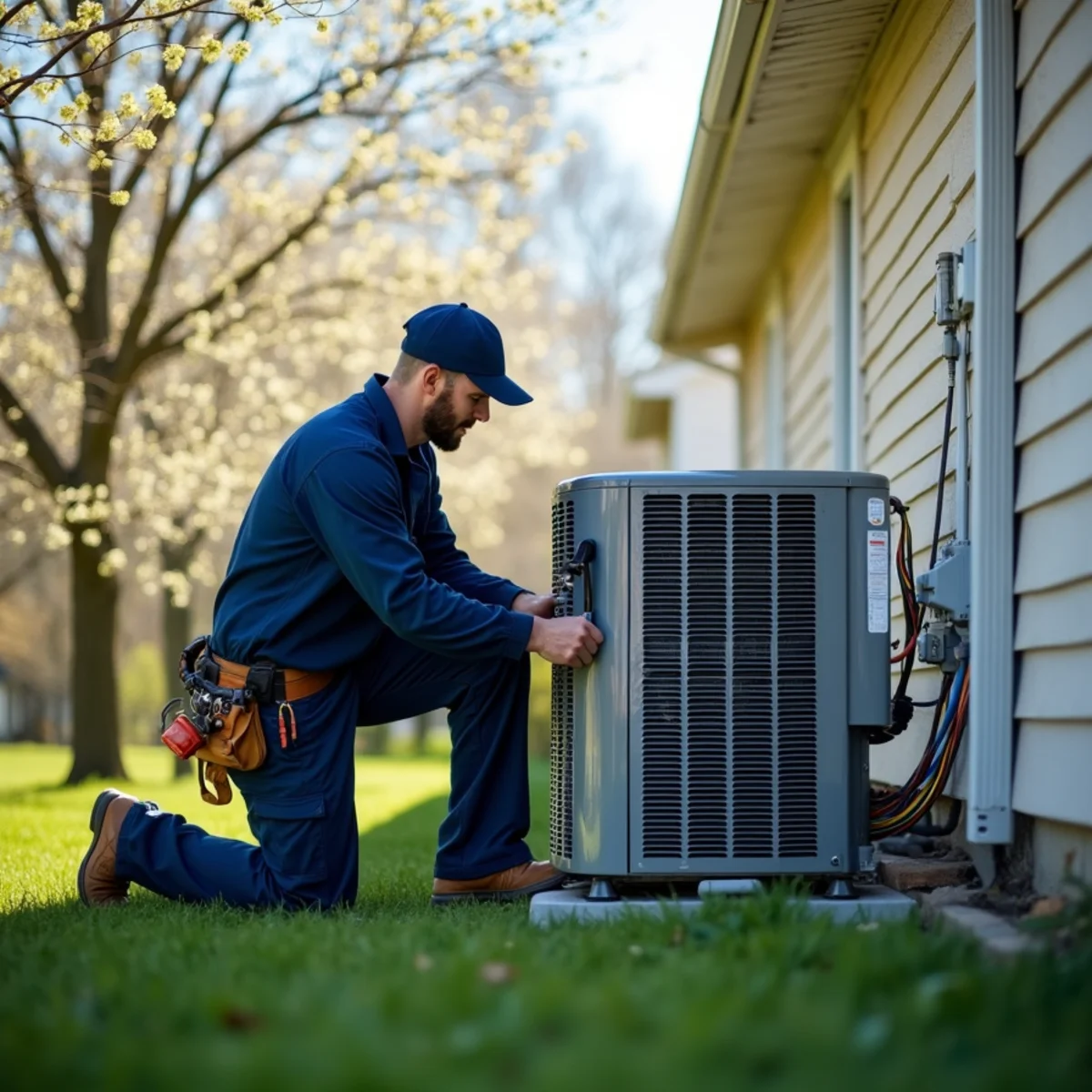
Chicago AC systems sit idle for roughly half the year, then get asked to run hard the moment summer arrives. The first 90-degree day is exactly when breakdowns surface — and when every HVAC company in the area is slammed. A spring tune-up, done before you need the cooling, is the cheapest insurance against a July no-cool emergency.
Here's a practical spring checklist: the steps you can safely handle yourself, and the ones a technician should do during a professional tune-up.
What You Can Do Yourself
A few spring tasks take minutes and make a real difference before the first hot stretch:
- Replace the furnace/AC filter — a fresh filter protects airflow and efficiency all summer.
- Clear the outdoor condenser: remove leaves, cottonwood, and debris, and trim plants back at least two feet on all sides.
- Gently rinse the outdoor coil fins with a garden hose (never a pressure washer) to clear winter grime.
- Check that the condensate drain line isn't clogged and drains freely.
- Make sure supply and return vents inside are open and unblocked by furniture or rugs.
Test It Before You Need It
On the first mild day warm enough to safely run the AC — generally when it's above about 60°F outside — turn the system on and let it run. Confirm cold air is coming from the vents, the outdoor unit is running quietly without rattles or buzzing, and the house actually cools. Finding a problem on a 65-degree day in spring is far better than discovering it during a heat wave.
If it doesn't cool, makes unusual noises, trips the breaker, or you spot ice forming on the refrigerant lines, shut it off and schedule service. These are exactly the issues a spring visit is meant to catch early.
What a Professional Tune-Up Covers
A professional spring tune-up goes well beyond what's safe or practical to do yourself, and it's where hidden problems get caught:
- Checking refrigerant charge and testing for leaks — low refrigerant is a top cause of weak cooling.
- Measuring electrical components — capacitors and contactors are common failure points that can be caught before they strand you.
- Cleaning the indoor evaporator coil and condensate system to prevent clogs and water damage.
- Inspecting and tightening electrical connections and verifying safe amp draw.
- Testing the thermostat, cycle, and temperature split to confirm the system is performing correctly.
Why Spring Timing Matters
Scheduling in spring, before the rush, gets you a convenient appointment instead of a days-long wait during the first heat wave. It also means any parts that need replacing — a weak capacitor, a failing contactor — get handled on your schedule at standard rates, not as an emergency call when you're desperate for cold air.
A tune-up also protects efficiency. A dirty coil, low charge, or restricted airflow all make the system work harder and run up your summer bills. Cleaning and correcting those in spring means the AC runs cooler and cheaper all season.
Catching the Repair-or-Replace Question Early
Spring is also the ideal time to have an honest conversation about an aging system. If your AC is over a decade old, on R-22 refrigerant, or needed repairs last summer, a spring assessment lets you plan a replacement calmly — comparing options and lining up any Illinois rebates — rather than making a rushed decision when it dies in August. Getting ahead of it is almost always cheaper and less stressful.
The Polar bottom line
A spring tune-up is the difference between a summer of reliable cooling and a mid-heat-wave scramble for service. Handle the simple steps yourself — fresh filter, clear condenser, test it early — and let a technician cover refrigerant, electrical, and coil work. Book before the rush. Polar Refrigeration & Air Control offers spring AC tune-ups across Chicagoland. Call (831) 461-3437.
Related services & areas