Furnace Repair vs. Replacement: How to Decide in Chicago
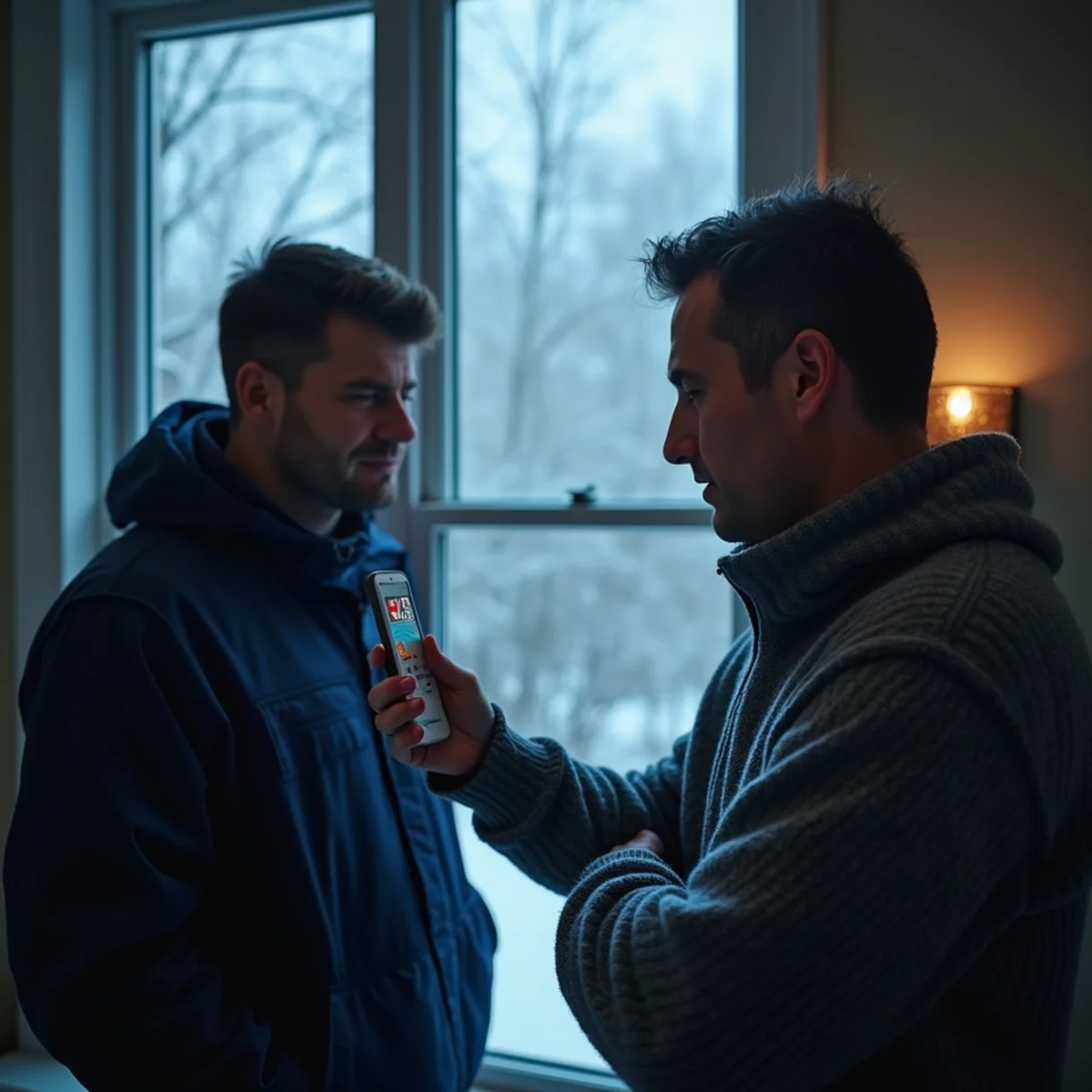
A furnace almost never fails in September when you have time to plan — it fails on the first hard freeze, when a repair quote lands in front of you and you have to decide fast. Repair it one more season, or replace it now? With a Chicago winter ahead, the stakes are higher than comfort: a mid-January failure is a genuine emergency.
Here's the framework our technicians use on every heating diagnosis, including the one safety issue that takes the decision out of your hands entirely.
Start With Age and the Cost Rule
A gas furnace in our climate typically lasts 15 to 20 years with maintenance. The same math that works for air conditioners works here: if a repair costs more than half the price of a new furnace, or the furnace's age times the repair cost climbs past roughly 5,000, replacement usually wins.
A 6-year-old furnace needing a 400 inducer motor is an easy repair. A 17-year-old furnace needing a 1,200 control board and blower is money better spent toward a new system you'll own for the next two decades.
The Safety Line: A Cracked Heat Exchanger
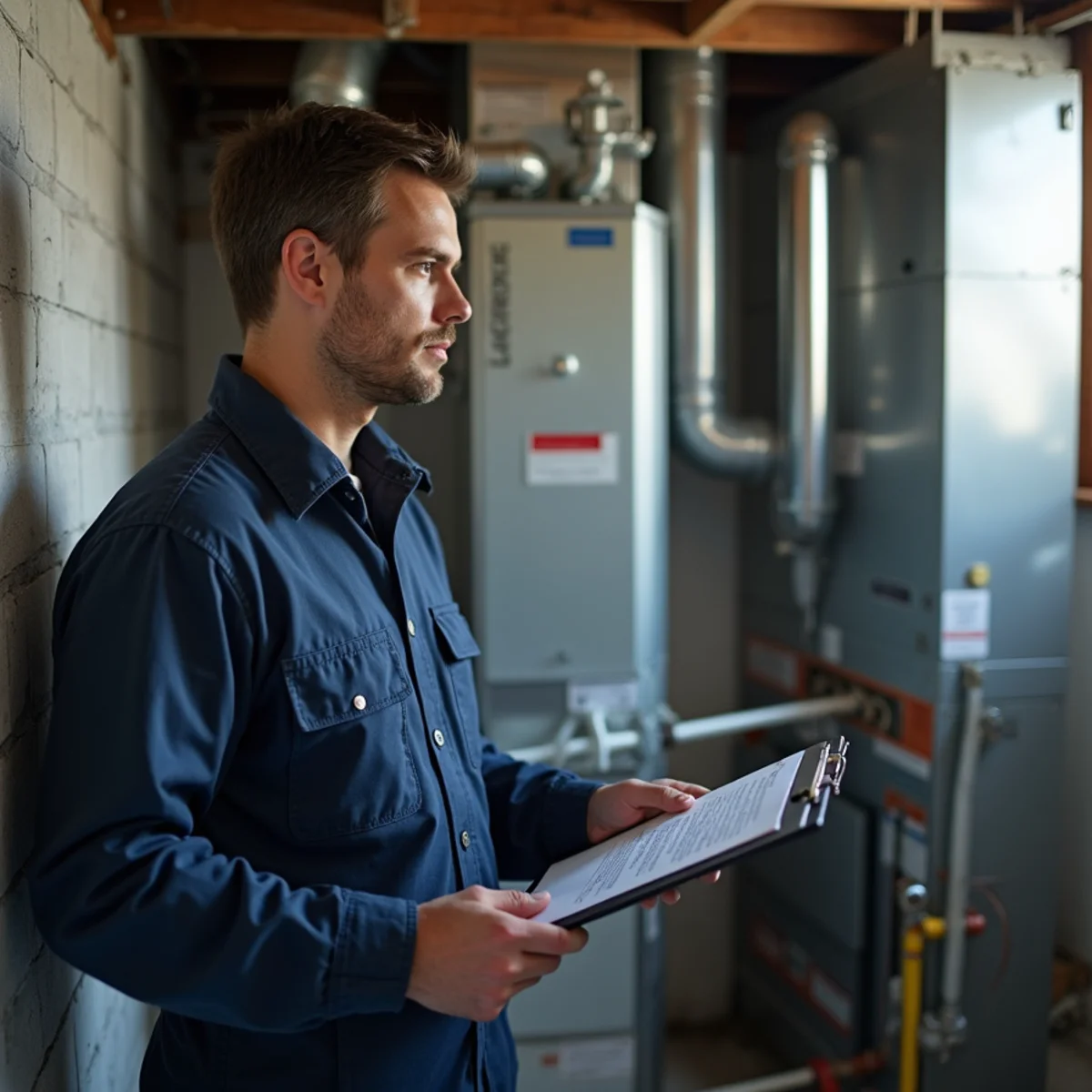
One finding ends the debate immediately: a cracked heat exchanger. The heat exchanger is the metal barrier that keeps combustion gases — including carbon monoxide — separate from the air you breathe. Once it cracks, it can leak CO into your home, and it cannot be safely repaired. On an older furnace, a cracked heat exchanger means replacement, full stop.
This is why we run a combustion and venting check on heating repairs rather than just swapping the failed part. A fast fix means nothing if the system is quietly unsafe. If we find a cracked exchanger, we'll show you and explain your options — we won't hand back a furnace we wouldn't run in our own homes.
Signs a Repair Still Makes Sense
Plenty of furnaces are worth fixing. Lean toward repair when:
- The furnace is under about 12 years old and has been dependable.
- The repair is a common wear item — igniter, flame sensor, or capacitor.
- This is the first real repair the unit has needed.
- Heating bills have held steady year over year.
- The combustion and venting checks come back clean.
Signs It's Time to Replace
Replacement moves to the front when several of these line up:
- The furnace is 15+ years old and facing a major repair.
- There's a cracked heat exchanger or other safety fault.
- You've needed repeated repairs over the last couple of winters.
- Some rooms never get warm, or bills keep rising.
- The furnace is a low-efficiency older model (think 80% AFUE or less).
What a New Furnace Buys You — and the Rebates
Modern high-efficiency furnaces are rated up to 97%+ AFUE, meaning far less of your gas bill goes up the flue compared with an older 80% unit. Over a long Chicago heating season, that difference adds up, and a correctly sized system also holds temperature more evenly and runs more quietly.
Illinois utility rebates and federal incentives can meaningfully lower the cost of qualifying high-efficiency furnaces and heat pumps. Before you replace, it's worth knowing exactly what you qualify for — we factor available rebates into every replacement quote so you're comparing real out-of-pocket numbers.
Timing It Before Winter
If your furnace is borderline — old, but still limping along — the best time to decide is now, not during a January failure. Replacing on your schedule means you choose the equipment, line up any rebates, and avoid paying emergency rates while your house drops below freezing.
A pre-season heating tune-up is the cheapest way to get ahead of this. It catches failing igniters and flame sensors, verifies combustion safety, and gives you an honest read on how much life your furnace has left — so the repair-versus-replace call is made on your terms.
The Polar bottom line
Furnace repair versus replacement comes down to age, repair cost, efficiency, and above all safety. A young furnace with a minor fault is worth repairing; an old one facing a major repair — or any furnace with a cracked heat exchanger — should be replaced. Get ahead of it before the first freeze. Call Polar Refrigeration & Air Control at (831) 461-3437 for an honest heating assessment.
Related services & areas